
In modern manufacturing, mixing quality directly impacts product performance, consistency, and brand trust. Among the wide range of industrial mixers available today, the ribbon blender has earned its reputation as a dependable, cost-effective, and high-performance solution for dry and semi-dry material blending.
This in-depth guide explains what a ribbon blender is, how it works, where it excels, and why it remains an industry favorite across the globe.
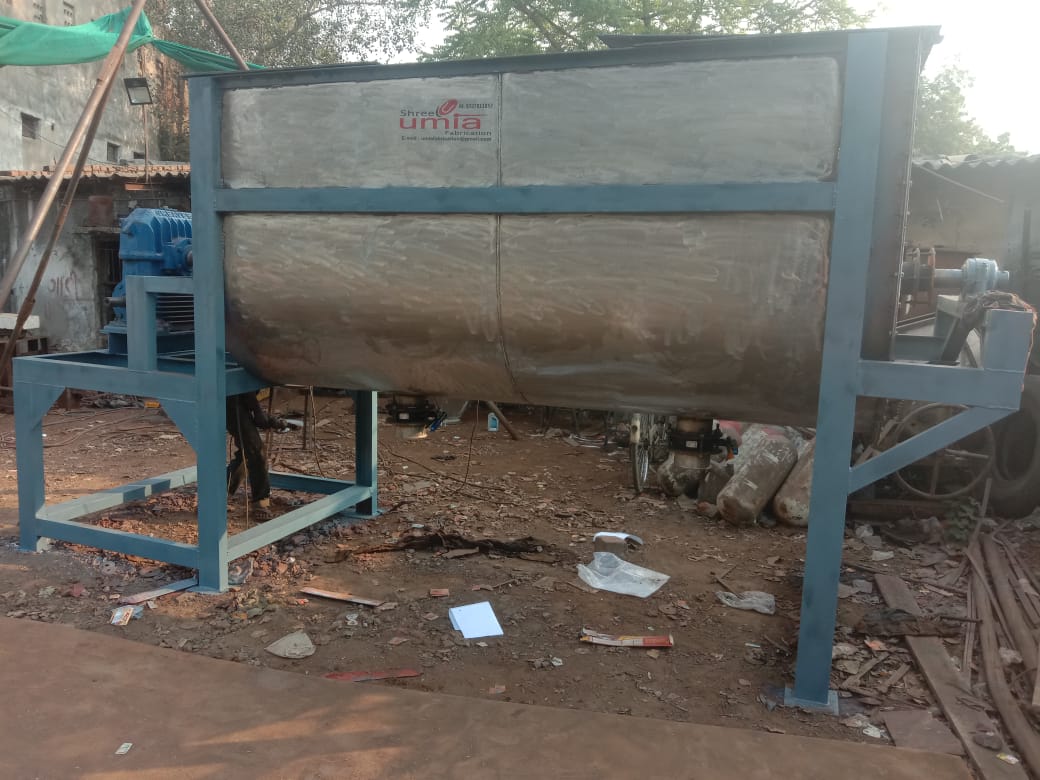
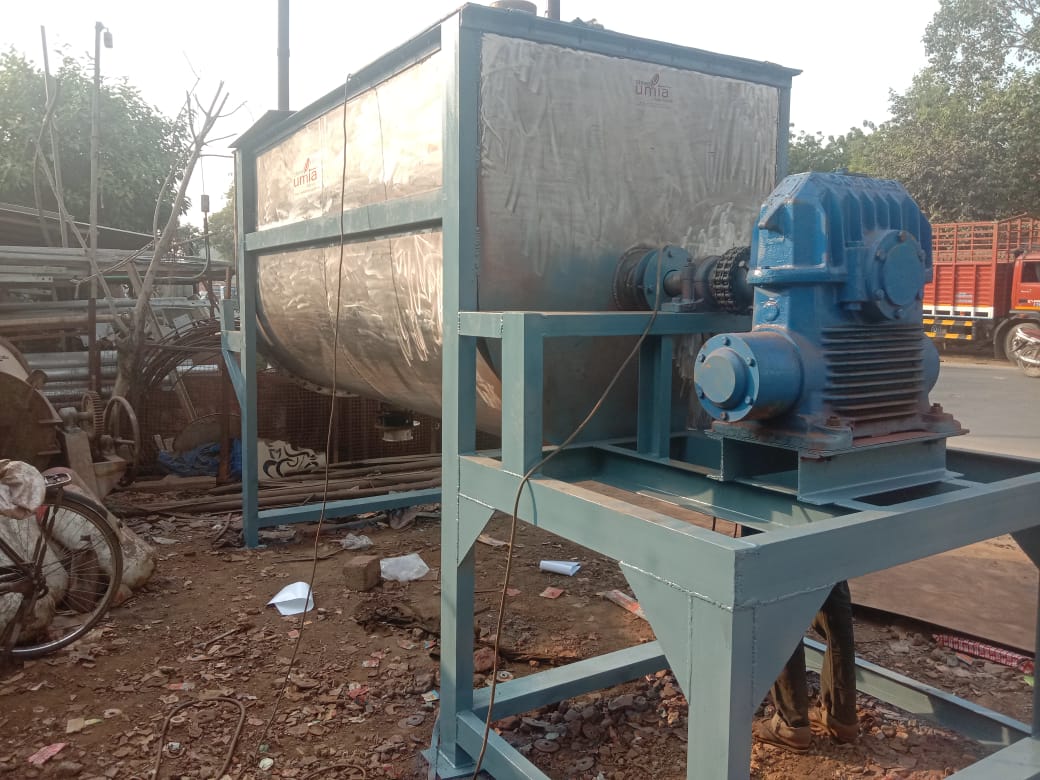
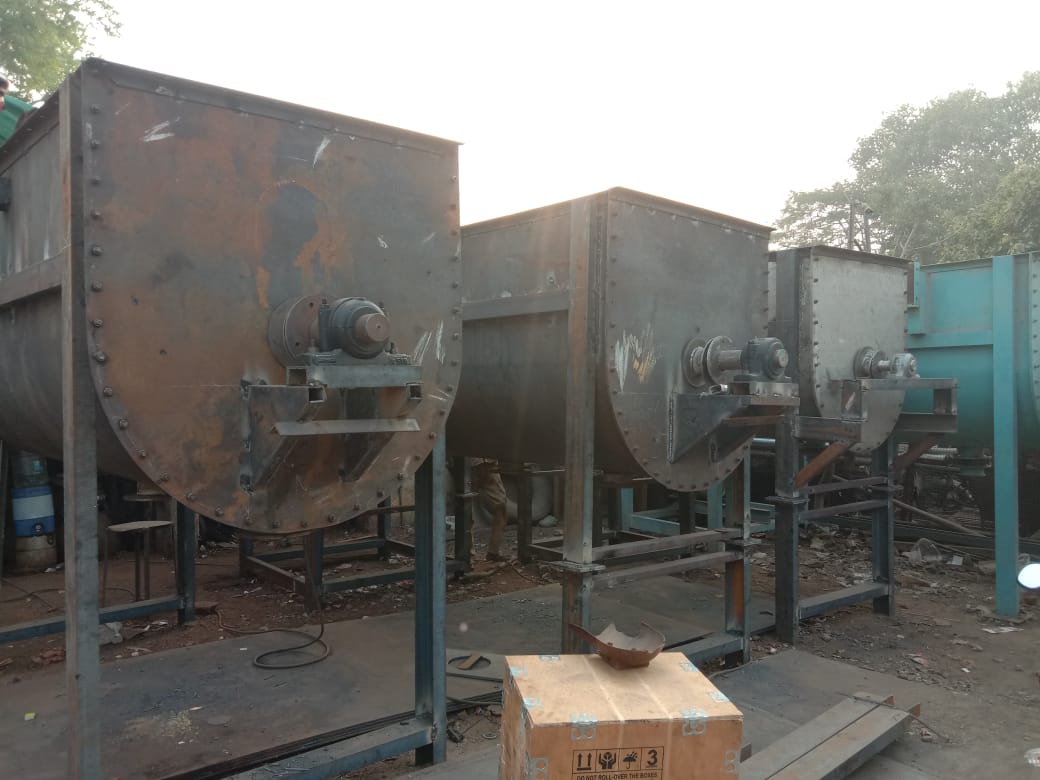
What Is a Ribbon Blender?
A ribbon blender is a horizontal batch mixer specifically designed for homogeneous blending of powders, granules, and light pastes. It features a U-shaped trough and a central agitator fitted with dual helical ribbons—an inner and an outer ribbon—that rotate together to move materials in opposing directions.
This intelligent mechanical design ensures fast, uniform, and repeatable mixing, even for large batch sizes.
How a Ribbon Blender Works
The effectiveness of a ribbon blender lies in its counter-flow mixing action:
-
The outer ribbon moves material from both ends toward the center
-
The inner ribbon simultaneously pushes material from the center outward
-
Continuous axial, radial, and lateral movement prevents dead zones
-
Ingredients are constantly split, folded, and recombined
This process creates a highly efficient convective mixing pattern, delivering excellent blend uniformity in minimal time.
Core Components of a Ribbon Blender
A standard ribbon blender consists of:
-
U-Shaped Mixing Trough – Ensures optimal material circulation
-
Inner & Outer Helical Ribbons – Engineered for balanced material flow
-
Central Shaft Assembly – Precision-aligned for smooth rotation
-
Drive Unit (Motor & Gearbox) – Designed for torque stability and durability
-
Discharge System – Slide gate, butterfly valve, or pneumatic outlet
-
Top Cover Options – Dust-tight lids, liquid spray nozzles, inspection ports
Materials of construction typically include stainless steel (SS304/SS316) or carbon steel, depending on application needs.
Industries That Rely on Ribbon Blenders
Ribbon blenders are trusted across diverse sectors due to their versatility:
🥣 Food & Beverage
-
Flour blends, spices, seasoning mixes
-
Protein powders, bakery premixes
💊 Pharmaceuticals
-
Excipients, herbal powders, nutraceutical blends
🧪 Chemicals
-
Detergent powders, pigments, resins
-
Specialty chemical formulations
🌾 Agriculture & Feed
-
Animal feed, mineral premixes, fertilizers
🧱 Construction Materials
-
Dry mortar, cement additives, plaster mixes
Key Advantages of Ribbon Blenders
✔ Superior Mixing Uniformity
✔ Short Batch Cycle Times
✔ Low Energy Consumption
✔ Minimal Product Degradation
✔ Simple Design = Easy Maintenance
✔ Customizable for Capacity, Material & Process
Ribbon blenders are available in capacities ranging from laboratory scale units to multi-ton industrial systems.
Limitations You Should Know
While highly efficient, ribbon blenders are best suited for specific material types:
-
Not ideal for highly sticky or wet masses
-
Less suitable for very fragile or heat-sensitive particles
-
Requires thorough cleaning for frequent product changeovers
Proper material analysis ensures optimal performance and longevity.
Ribbon Blender vs Other Industrial Mixers
| Mixer Type | Best For |
|---|---|
| Ribbon Blender | Dry, free-flowing powders |
| Paddle Mixer | Gentle, low-shear mixing |
| Ploughshare Mixer | Intensive, high-speed mixing |
| Vertical Mixer | Space-saving bulk blending |
For most dry blending applications, ribbon blenders offer the best balance of efficiency, cost, and reliability.
Choosing the Right Ribbon Blender
When selecting a ribbon blender, consider:
-
Material bulk density and flow behavior
-
Required batch size and mixing time
-
Construction material and finish
-
Discharge and cleaning requirements
-
Optional features (heating, cooling, liquid addition)
A well-matched ribbon blender can dramatically improve production efficiency and product consistency.
Final Thoughts
The ribbon blender remains a cornerstone of industrial mixing because it delivers reliable results with simple, proven engineering. Its ability to handle large volumes, maintain uniformity, and operate efficiently makes it indispensable in countless manufacturing processes.
Whether you’re scaling production or optimizing quality, a properly designed ribbon blender is an investment that pays off in performance, consistency, and long-term reliability.